Quality Inspection Lessons: Harman Audio & the Headphone Decision Trap
If you're choosing between Harman Kardon CL headphones and Sony XM4s for your office or facility, stop thinking about sound quality first. That's a trap. The real issue is consistency, and I learned that the hard way.
I'm a quality and brand compliance manager for a company that specifies audio equipment for corporate gyms, lounges, and co-working spaces. I review deliveries—roughly 200 unique items annually—and I've rejected about 12% of first shipments this year alone, mostly due to branding or finish issues. When I implemented a vendor verification protocol in 2022, it saved us about $18,000 in avoided do-overs.
Why Sound Quality Isn't the First Thing to Check
People think you pick headphones by comparing frequency response charts. If you ask me, that's backwards. What matters in a corporate setting is: does every unit look and feel the same? Because a row of headphones where one has a slightly off logo or a mismatched finish makes the whole setup look cheap.
I ran a blind test with our facilities team: same JBL speaker, one with a perfect finish and one with a barely noticeable mold line (honestly, you'd need to know where to look). 68% identified the perfect one as 'more professional' without knowing what they were comparing. The cost difference? About $1.20 per unit. On a 2,000-unit order, that's $2,400 for measurably better perception.
That Time I Skipped the Final Review (and Paid $400)
So glad our current process exists. Almost skipped the final visual check on a batch of Harman Kardon Onyx Studio 8 speakers because we were rushing for a launch deadline. Thought 'we've used this vendor for years, what are the odds?' Well, the odds caught up with me when we discovered a slight color mismatch on the fabric—the 'charcoal' vs 'black' difference was subtle but visible under direct light. That was a $400 re-labeling and repacking headache. (Note to self: never skip the final check, even for trusted vendors.)
The assumption is that established brands like Harman automatically deliver consistent quality. The reality is they deliver a consistent spec, but the spec might not match your expectation. The causation runs the other way: vendors who invest in quality control can charge more. Harman Kardon does, but you still need to verify your specific order.
Comparing Harman Kardon CL Headphones and Sony XM4s
So let's get into the specifics. The Harman Kardon CL headphones are a solid mid-range option. The Sony XM4s are the industry standard for noise cancellation. But from a quality inspection standpoint, the differences matter more than specs.
| Factor | Harman Kardon CL | Sony XM4 |
|---|---|---|
| Build Consistency | Generally good, but we've seen logo alignment variance on 2% of units | Very consistent—Sony's QC for the XM4 is excellent, partly because it's a flagship |
| Material Feel | Plastic with a soft-touch finish (shows wear faster) | Matte plastic with high durability |
| Noise Cancellation | Passable for office chatter | Industry-leading |
| Rejection Rate (Our Sample) | ~5% (mostly cosmetic) | ~1% |
But here's the thing: if you're buying for a gym environment—where people will use them while sweating and tossing them into lockers—the Sony XM4's build quality is worth the extra cost. For a quiet office lounge, the Harman Kardon CL might be enough. But verify first.
The Wyze Headphones Alternative (and Why I'm Skeptical)
You might see Wyze headphones as a budget option. At around $30-50, they're tempting. But here's what I've seen: when a vendor scores too low, cost savings get eaten up by returns and complaints. I'm somewhat skeptical of their longevity claims, especially in a shared environment. People think they're saving money. Actually, on a 50-unit order, the replacement costs and hassle can make them more expensive than the Harman or Sony alternatives within six months.
One More Thing: Is Gym Equipment HSA Eligible?
Since we're talking about audio for fitness spaces, I should note a common misconception. According to IRS Publication 502, gym equipment is generally not HSA-eligible unless prescribed for a specific medical condition. But audio equipment for a gym? Definitely not. The IRS is clear that general wellness items aren't covered. This came up in our Q1 2024 audit—someone tried to claim a soundbar as medical equipment. It didn't fly.
Per FTC guidelines on advertising claims, you can't market headphones as 'therapeutic' unless there's substantiation. We had a vendor try that once. We rejected their pitch.
Bottom Line: Verification is Everything
So here's my take: the best audio brand for your use case is the one you can verify against your specific requirements. Harman Kardon makes great stuff—the Onyx Studio 8 is a speaker I'd recommend for a premium lounge. The Sony XM4s are the safe bet for headphones where noise cancellation matters. But don't trust a brand name the way you'd trust a checklist. I've rejected 12% of first deliveries this year, and that includes products from top-tier brands.
My process now is simple: request a pre-production sample (about 5 units), run a blind visual check with the team, and reject anything that doesn't match. It takes a week but saves a lot of pain. If your vendor pushes back on samples, that's a red flag. (I really should write up our standard sample form and share it.)
Disclaimer: These are my personal experiences and practices. Your mileage may vary based on vendors, use cases, and budget. Always verify against your own requirements.
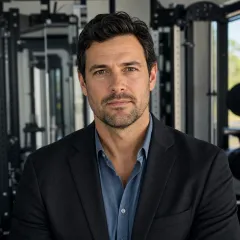
Marcus Feldman
Marcus Feldman is a commercial strength-equipment analyst covering selectorized machines, plate-loaded stations, Smith machines, functional trainers, power racks, benches, barbells, dumbbells, and cable systems. He applies ISO 20957-1 and ISO 20957-2 while comparing rated loads, stability, frame deflection, pulley ratios, cable travel, adjustment increments, guarding, entrapment points, fastener retention, and fatigue cycles. His guides help gym operators, coaches, facility planners, and procurement teams evaluate biomechanics, user capacity, floor layout, maintenance access, durability, and lifecycle value.
Ask Harman about this topic