The first Harman projects were small route operator refreshes where every machine had to justify its footprint. A prize crane that looked exciting but blocked a queue line was not a success. A basketball game that drew a crowd but constantly lost balls behind the cabinet was not a success. The team learned to judge equipment through the eyes of the people who opened the doors, refilled the tickets, reset the errors, and explained the rules to parents.
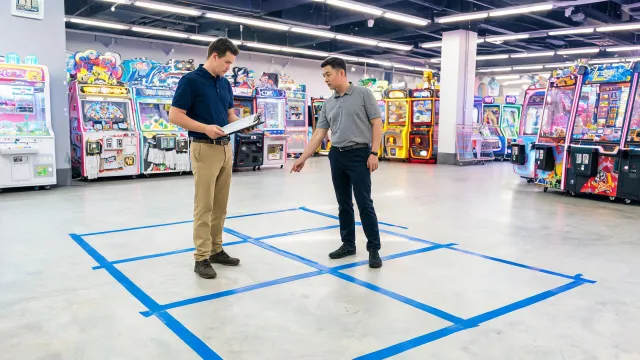
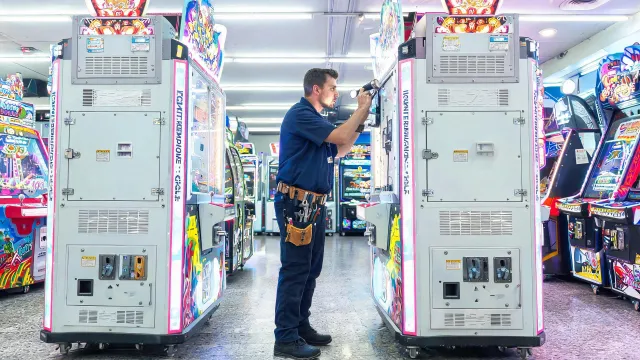
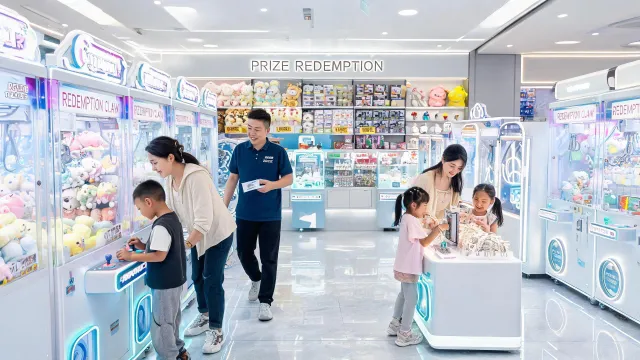
That operator-first habit still drives the company. Before Harman recommends a machine, the team asks how guests will approach it, how staff will clean around it, how technicians will reach the service panel, how a cashless reader will mount, how loud the cabinet will be near party rooms, and whether the prize counter can handle the traffic it creates.
"Open the game floor like you will be the person closing it at midnight. That is the standard we use for every recommendation."
As the market moved from coin slots to card systems, from simple ticket spitters to networked redemption platforms, Harman kept the same discipline. The tools changed, but the questions stayed practical: Will the guest understand the game in ten seconds? Will the operator know when performance drops? Will replacement parts be available when the weekend rush begins?
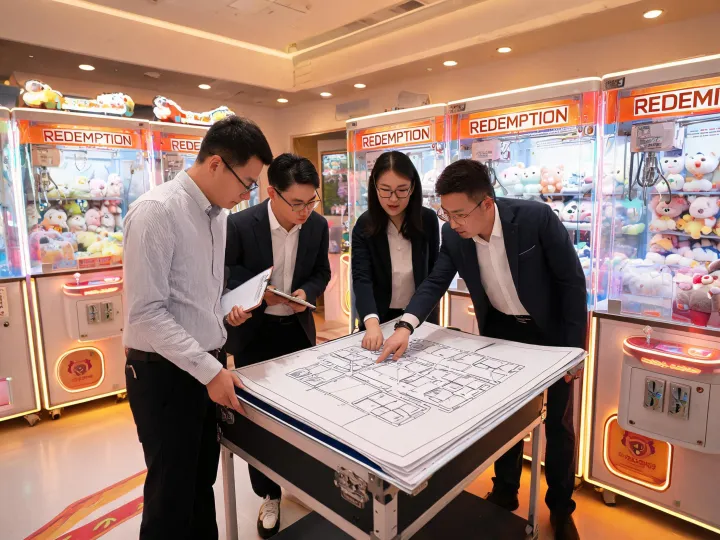
Today Harman works with family entertainment centers, cinemas, hotels, bowling centers, route operators, and mixed-use indoor venues. Some clients need a full arcade launch. Others need a precise refresh of ten machines. In both cases, the company treats planning, procurement, installation, and service as one connected workflow.
Reliable does not mean plain. It means the excitement on the floor is supported by clear documentation, staff training, sensible layouts, and the kind of parts planning that makes a busy Saturday feel manageable.