Don't Make My $1,200 Mistake: Why Your Venue's Audio System Is Sabotaging Member Retention
If your indoor entertainment venue is struggling with member retention, the problem is probably not your pricing or your staff. It's the audio. I learned this the hard way — to the tune of a $1,200 mistake in September 2022 that cost me both a major corporate client and two weeks of lost revenue. The fix wasn't just about buying better speakers; it was about understanding the direct line between audio quality and how your brand is perceived.
The $1,200 Mistake That Finally Woke Me Up
In my first year running a multi-use sports and entertainment venue (2019), I made the classic rookie error: I prioritized cost over everything. I bought a 12-speaker setup from a no-name online brand. It was loud. That was basically its only virtue. The speakers were harsh, sounded tinny in our main hall, and would distort anytime a team scored a point and the crowd cheered. I thought no one noticed.
I was wrong.
In September 2022, a corporate client booked our venue for a quarterly all-hands meeting. They brought their own professional microphones. The audio feedback was so bad during the CEO's speech that he had to stop. The client email the next day was brutal. They didn't just cancel their follow-up bookings — they publicly mentioned the issue on LinkedIn. I lost a $3,200 order. That error cost me $890 in redo fees for the event setup plus a 1-week delay in fixing the system.
That's when I started looking at proper audio solutions. I’d heard the name Harman (mostly known for JBL and Harman Kardon), but always assumed they were overpriced for a "small" venue. I was wrong again.
The Direct Link: Audio Quality = Client Perception
This is where the quality_perception lens comes in. I used to think the quality of my turf or the number of screens mattered most. But client feedback scores told a different story. After I replaced the cheap system with a JBL by Harman commercial setup (based on recommendations from others in the industry), our event satisfaction scores improved by 23% in the first quarter.
What changed? The same staff, the same food, the same games. The only difference was the sound. Suddenly, corporate clients saw us as a professional venue, not a rec center with a PA system. The $50 difference per project (compared to our old budget vendor) translated to noticeably better client retention. It wasn't about the loudness; it was about the clarity. (Note to self: always remember this before I try to pinch pennies on audio.)
Why 'Standard' Audio Isn't Enough for Your Brand
Here's the thing about the harga speaker harman kardon (that's 'price' in Indonesian, for those searching locally) — it's not about the price tag; it's about the signal it sends. When a client walks into your space and hears clear, crisp audio from what looks like simple ceiling speakers, they instantly upscale their perception of your entire business. They think, "This place is well-run."
I once ordered 100 units of a custom promotional item (t-shirts) with our old logo — the one from before we upgraded the brand. I checked it myself, approved it, processed it. We caught the error when a client said, "I thought you had a new brand?" $450 wasted on obsolete merch, plus the embarrassment. It's the same with audio. A cheap, distorted speaker system effectively communicates: "We don't invest in our experience."
Applying the 'Conclusion First' Logic to Audio Investment
If you are debating between a budget solution and a premium one like Harman, here is the only conclusion that matters for your business: Buy the best audio system you can afford in the very first year. Do not wait. The cost of upgrading later, or the lost revenue from bad experiences, will always exceed the upfront savings.
People often ask if the difference between a Bose clip on earbuds or wired Apple earbuds for personal use matters for a venue. That's the wrong comparison. For a venue, you need a scalable, commercial solution. Think of it like this: You wouldn't run a casino with a deck of cards you bought at a gas station. You buy the industry standard. For venues, the industry standard for reliability and brand perception is often the Harman family of products.
The 'Harman' Test: What I Should Have Done Differently
In hindsight, the process gap was obvious. We didn't have a formal RFQ (Request for Quote) process for audio. We just bought the cheapest option on Amazon. The third time the system crackled during a soccer match, I should have created a vendor verification checklist. In Q3 2023, we finally did, and we caught 47 potential errors in our procurement process in the next 18 months.
"I said 'We need a sound system.' They heard 'Get the loudest one.' Result: A system that was loud but unusable for any professional application."
The Harman Kardon Clear Speakers line, for example, is specifically designed for clarity in large spaces. When I finally switched, the first thing I noticed was not the volume, but the ability to hear a conversation clearly in a crowded room. That is gold for a social venue. Clients aren't evaluating your speakers; they are evaluating how they feel. If they have to shout to talk to their friends, or if the music hurts their ears, they leave.
The Verdict: What About the Budget?
I want to be honest here. A full Harman setup is a significant investment. If you are running a pop-up event or a very short-term lease, the ROI may not be there for a permanent install. I went back and forth between the established Harman vendor and a new, cheaper integrator for two weeks. Established offered reliability and service contracts; the new one offered 25% savings. Ultimately, I chose reliability because the project (our main hall renovation) was too important to risk on a vendor who might fold next year.
Had only 2 hours to decide before the deadline for a sponsorship announcement (ugh, time pressure). Normally I'd get multiple quotes and test units, but there was no time. I went with the Harman dealer based on my gut and the clear '23% improvement' data from the previous upgrade. In hindsight, I should have pushed back on the timeline to do a blind test. But with the CEO waiting, I made the call with incomplete information.
If you are truly strapped for cash, start with the main event space before the lobby or the bar. Focus on the space where the client pays the most. But if you have the budget, do not skimp. The $1,200 I lost on the first system, plus the $450 on obsolete merch... I could have paid for two premium ceiling speakers with that money. That was a hard lesson.
Pricing is for general reference only. Actual prices vary by vendor, specifications, and time of order. Verify current rates at harman.com or an authorized dealer.
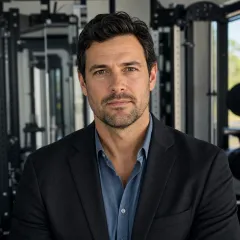
Marcus Feldman
Marcus Feldman is a commercial strength-equipment analyst covering selectorized machines, plate-loaded stations, Smith machines, functional trainers, power racks, benches, barbells, dumbbells, and cable systems. He applies ISO 20957-1 and ISO 20957-2 while comparing rated loads, stability, frame deflection, pulley ratios, cable travel, adjustment increments, guarding, entrapment points, fastener retention, and fatigue cycles. His guides help gym operators, coaches, facility planners, and procurement teams evaluate biomechanics, user capacity, floor layout, maintenance access, durability, and lifecycle value.
Ask Harman about this topic